Mental Toughness in Paddling: How to Overcome Fear and Build Kayaking Confidence

By Dita Pahl, Canoes Plus Adventure Experience
Fear often limits enjoyment and safety; managing it is central to getting more from every paddle. The guidance below covers clear resilience-building steps, fear-management tools and confidence practices for beginners and experienced paddlers alike. More detailed guides can be found at learntokayak.net - Fear Management.
Mental toughness helps paddlers manage fear, stay calm under pressure and perform safely. This article gives practical, actionable strategies to convert apprehension into steady, reliable on-water performance by aligning mindset with technique. Its especially hard for beginners to overcome fear, as everything about the experience is new. For beginners it is most important to choose the right way to start learning to kayak. Lessons with qualified instructors, and a supportive environment help to build a foundation for happy kayaking. Learning with friends you trust can also be beneficial, but does not always give you the good technical grounding required to run rivers.
Learning with a professional, such as Canoes Plus Kayak school can enhance your experience. Our instructors are well grounded in recognising underlying causes of fear, including social fear, and can support and design lessons and learning experiences that raise both confidence and competence in paddling. Learn about social dynamics in paddling at learntokayak.net - Social Fear in Kayaking. Our instructors have years of experience in not only teaching beginners, but also all levels of paddlers up to elite racing and performance.
Fear often limits enjoyment and safety; managing it is central to getting more from every paddle. The guidance below covers clear resilience-building steps, fear-management tools and confidence practices for beginners and experienced paddlers alike. More detailed guides can be found at learntokayak.net - Fear Management.
What Are Proven Confidence Building Tips for Kayaking Beginners?
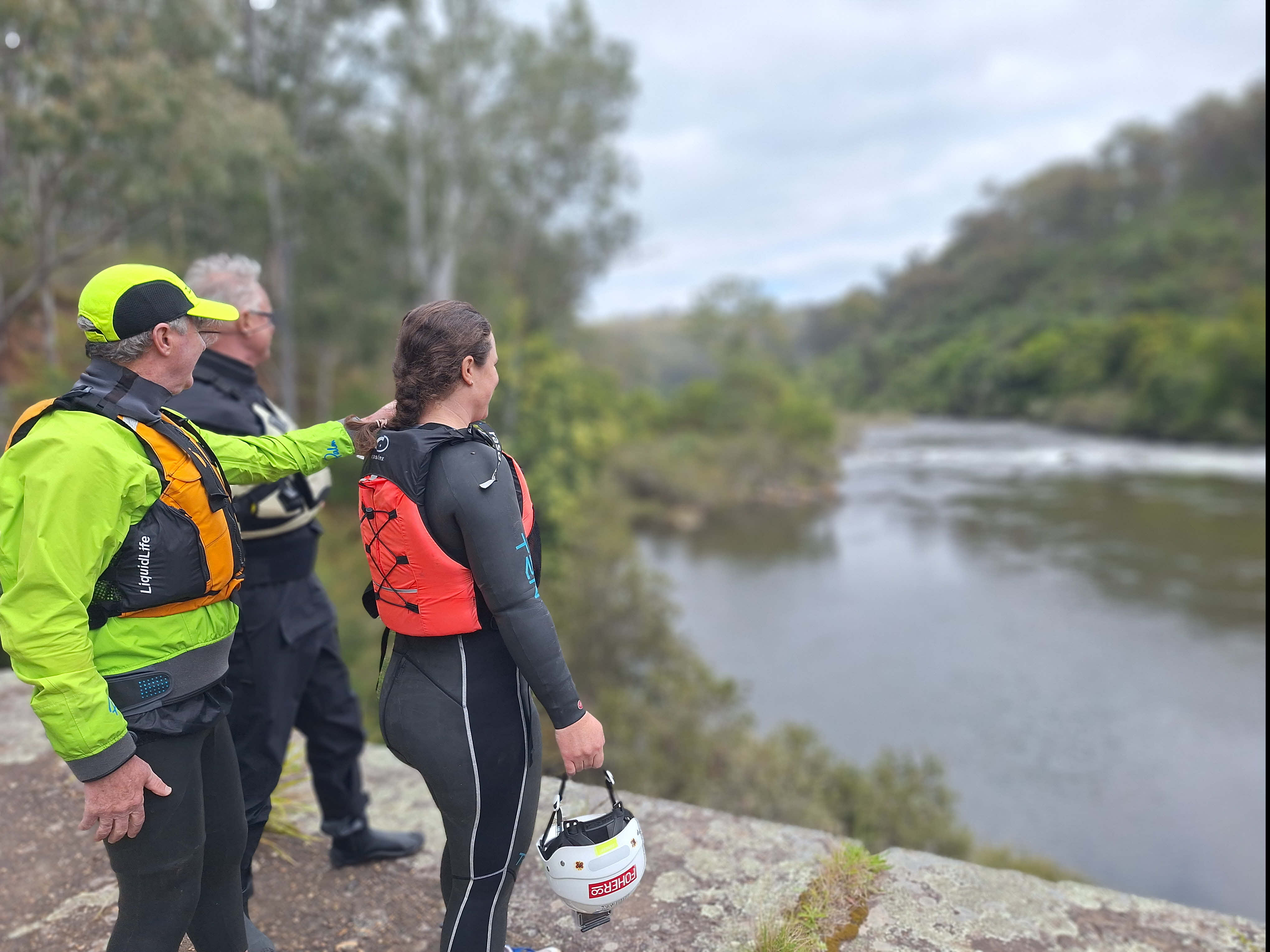
Begin with safety-first, guided practice to build reliable skills and confidence quickly. Additional beginner resources at learntokayak.net - Beginner Kayaking.
Guided Paddling Sessions: Instructors accelerate learning with immediate feedback and safer progression.
Embrace Safety Gear: Well-fitted life jackets and helmets increase comfort and willingness to try new skills.
Set Achievable Goals: Small, realistic targets keep motivation high and show steady progress.
Combine guided instruction, suitable gear and measurable goals for efficient, confidence-building learning.
How Do Guided Paddling Sessions Enhance Self-Confidence?
Structured coaching corrects technique, reinforces safety protocols and reduces uncertainty so beginners progress with steadier confidence. See instructor tips at learntokayak.net - Coaching Tips.
Which Gear Supports Psychological Safety and Confidence in Packrafting?
Reliable, well-fitted equipment reduces worry and improves control in technical conditions. Gear guides available at learntokayak.net - Kayaking Gear.
Quality Life Jackets: Essential buoyancy that reassures paddlers in the water.
Durable Helmets: Protect the head and reduce fear of impact in rocky or rapid environments.
Reliable Paddles: A sturdy paddle improves control and trust in your responses.
Prioritising fit and durability lets paddlers concentrate on technique and decision-making.
Why Is a Strong Paddling Mindset Essential for Overcoming Anxiety?
Mental readiness keeps you task-focused, reduces panic and supports consistent technique under pressure. Mindset strengthening programs are outlined at learntokayak.net - Kayaking Mindset.
Mindfulness Practices: Short meditations or breathing maintain present-moment focus and calm.
Emotional Regulation Techniques: Positive self-talk and awareness help control reactions.
Supportive Community Engagement: Peers reinforce resilience through shared experience.
Regular practice of these approaches lowers anxiety and improves on-water reliability.
What Mindfulness and Emotional Regulation Techniques Aid Paddlers?
Breathing drills, journaling and visualization build awareness of triggers and improve responses in stress. For guided practice, refer to learntokayak.net - Mindfulness Techniques.
Active Breathing Exercises: Fast to apply and effective at restoring composure.
Reflective Journaling: Note triggers and solutions to guide future practice.
Visualization Techniques: Rehearse routes and recoveries mentally to reduce surprises.
Consistent use of these tools improves composure and decision-making on the water.
How Do Outdoor Education Programs Teach Mental Resilience?
Outdoor programs use realistic scenarios, team challenges and reflection to transfer coping strategies directly to paddling situations. Examples are shared on learntokayak.net - Outdoor Education.
Realistic Scenarios: Exposure to unpredictable tasks builds practical coping skills.
Team Building: Group problem-solving strengthens communication and mutual support.
Skill Overlap: Emotional regulation and stress management learned outdoors apply to paddling.
Combined practical and mental training gives paddlers frameworks to handle anxiety confidently.
Fear, Confidence, and Competence in Kayaking: Factors Affecting Paddler Participation
1. Research examined why some female students reported anger, frustration and a lack of connectedness when learning paddling in a university unit called “River Environments.” A review of motivation theory suggested females often learn differently to males, so instruction may need to differ. While the study considered whether boat design affected paddling satisfaction, it found deeper issues. Social fear emerged as a strong inhibitor of risk taking and learning, reducing confidence and therefore competence; this effect was more apparent in female paddlers. The researchers concluded females may benefit from tailored learning experiences: a more gradual, repetitive progression with intuitive instruction and gender-specific groups. Student attitude and the learning environment mattered, but the paddling instructor was identified as a critical motivating influence on confidence, competence and satisfaction, particularly for female learners.Links between kayaking, fear, confidence and competence: Factors affecting women's participation in paddling in a tertiary outdoor education course, 2006
Mental strategies are not just for those that are in elite sport. Many strategies can be used by the beginner or intermediate to enhance their kayaking experience and make it more enjoyable. For parents these strategies can also be useful in helping kids to control anxiety and fear both on the water and off.
What Are the Key Mental Toughness Strategies for Paddlers?
Use simple, repeatable practices: progressive skill work, supportive peers and short mindfulness routines. These build steady confidence and make stressors easier to handle. Additional training ideas can be found on learntokayak.net - Mental Toughness Strategies.
Progressive Skill Development: Practice consistently and increase challenge in small steps to build reliable competence.
Community Support: Train with supportive paddlers to share tips, encouragement and practical reassurance.
Mindfulness Techniques: Short breathing or centring exercises before paddling sharpen focus and reduce anxiety.
Applied regularly, these actions improve safety and enjoyment on the water.
Which Psychological Techniques Build Resilience in Kayaking?
Use mental rehearsal and celebrate small wins to lower performance anxiety and reinforce progress. Combine this with basic education about local water behaviour so decisions remain calm and informed. Detailed practices are available at learntokayak.net - Building Resilience.
How Does Fear Management Improve Safety and Enjoyment on Water?
Effective fear management reduces impulsive reactions and improves decision-making, letting you focus on technique and hazard awareness. Group learning and shared practice also normalise challenges and accelerate learning. Guidance on group practices can be found via learntokayak.net - Group Learning.
How Can You Effectively Manage Fear While Kayaking?
Prepare for fear with staged, practical steps so responses stay controlled and safety is preserved. For structured methods, see learntokayak.net - Fear Management Techniques.
Progressive Exposure Techniques: Increase challenge gradually — start calm, then step up complexity as confidence grows.
Mindfulness Practices: Controlled breathing and present-moment focus reduce anxiety and improve attention.
Community Support Importance: A buddy or group session provides encouragement and lowers isolation during fearful moments.
These form a reliable framework for staying calm and maintaining control in demanding situations.
What Progressive Exposure Exercises Reduce Kayaking Anxiety?
Build comfort by increasing difficulty in measurable steps and tracking results to see progress. Examples and logs are shared at learntokayak.net - Progressive Exposure.
Start Small: Practice in quiet lakes or slow rivers before attempting demanding conditions.
Short Sessions: Keep early outings brief, then lengthen paddles as confidence grows.
Result Tracking: Log sessions to chart improvements and focus further practice.
A clear progression converts small gains into lasting confidence.
Which Mental Exercises Help Control Stress on Whitewater Trips?
Use focused breathing, visualization and positive self-talk to keep reactions measured during whitewater runs. Learn more at learntokayak.net - Whitewater Stress Control.
Controlled Breathing Techniques: Practice deep, steady breaths before and during runs to reduce panic.
Visualization: Mentally rehearse successful passages to prime calm responses in real conditions.
Positive Affirmations: Remind yourself of skills and prior successes to steady the mind.
These exercises improve stress tolerance and decision-making on demanding trips.
Goals: Small, realistic targets keep motivation high and show steady progress.
Combine guided instruction, suitable gear and measurable goals for efficient, confidence-building learning.
Why Is a Strong Paddling Mindset Essential for Overcoming Anxiety?
Mental readiness keeps you task-focused, reduces panic and supports consistent technique under pressure. Mindset strengthening programs are outlined at learntokayak.net - Kayaking Mindset.
Mindfulness Practices: Short meditations or breathing maintain present-moment focus and calm.
Emotional Regulation Techniques: Positive self-talk and awareness help control reactions.
Supportive Community Engagement: Peers reinforce resilience through shared experience.
Regular practice of these approaches lowers anxiety and improves on-water reliability.
What Mindfulness and Emotional Regulation Techniques Aid Paddlers?
Breathing drills, journaling and visualization build awareness of triggers and improve responses in stress. For guided practice, refer to learntokayak.net - Mindfulness Techniques.
Active Breathing Exercises: Fast to apply and effective at restoring composure.
Reflective Journaling: Note triggers and solutions to guide future practice.
Visualization Techniques: Rehearse routes and recoveries mentally to reduce surprises.
Consistent use of these tools improves composure and decision-making on the water.
How Do Outdoor Education Programs Teach Mental Resilience?
Outdoor programs use realistic scenarios, team challenges and reflection to transfer coping strategies directly to paddling situations. Examples are shared on learntokayak.net - Outdoor Education.
Realistic Scenarios: Exposure to unpredictable tasks builds practical coping skills.
Team Building: Group problem-solving strengthens communication and mutual support.
Skill Overlap: Emotional regulation and stress management learned outdoors apply to paddling.
Combined practical and mental training gives paddlers frameworks to handle anxiety confidently.
Frequently Asked Questions
What role does physical fitness play in building mental toughness for kayaking?
Fitness reduces fatigue and improves control, letting paddlers maintain technique longer and lowering the chance of panic in difficult conditions. See fitness tips at learntokayak.net - Fitness for Kayaking.
How can goal setting enhance kayaking performance and mental resilience?
SMART goals focus training, track progress and deliver small wins that build confidence and resilience over time. Goal setting guidance is at learntokayak.net - Goal Setting.
What effect does peer feedback have on a paddler's confidence?
Constructive feedback pinpoints improvements while reinforcing positive behaviours, which accelerates learning and encourages safe risk-taking. More about peer learning available at learntokayak.net - Peer Feedback.
How important is it to have a mentor in developing kayaking skills?
A mentor gives targeted guidance, accountability and experience-based tips that speed skill acquisition and help address specific fears. Mentorship resources are at learntokayak.net - Mentorship.
How can visualization techniques be incorporated into pre-paddling routines?
Spend a few minutes mentally rehearsing key moves, routes and recoveries to prime decision-making and reduce surprises during the session. Visualization practices can be found at learntokayak.net - Visualization Techniques.
What are the benefits of joining organized paddling events or races for mental toughness?
Events provide controlled pressure, varied conditions and peer learning that expose limits safely and reveal areas for improvement. Event insights are offered by learntokayak.net - Paddling Events.
Can mindfulness training improve a paddler's ability to manage anxiety on the water?
Yes. Mindfulness improves focus and emotional control, helping paddlers stay composed, decide clearly and enjoy paddling with less stress. Learn more at learntokayak.net - Mindfulness Training.