
Mastering Essential Kayak Paddling Strokes: Comprehensive Techniques for Efficient Kayaking

Kayaking is an exhilarating activity that combines adventure with the tranquility of nature. Mastering essential kayak paddling strokes is crucial for enhancing your efficiency and enjoyment on the water. This comprehensive guide will delve into the fundamental techniques every paddler should know, focusing on the importance of proper strokes, safety protocols, and navigation skills. Many paddlers struggle with inefficient strokes that can lead to fatigue and decreased performance. By learning and practicing these essential techniques, you can significantly improve your kayaking experience. This article will cover the basic paddling techniques, the forward stroke, the sweep stroke, the draw stroke, bracing techniques, and how to identify and correct common paddling mistakes.
What Are the Basic Kayak Paddling Techniques Every Paddler Should Know?
Understanding the basic kayak paddling techniques is essential for any paddler, whether a beginner or an experienced kayaker. These foundational strokes form the basis of effective kayaking, allowing for better control, speed, and maneuverability on the water. Mastering these techniques not only enhances your performance but also ensures safety while paddling. The primary strokes include the forward stroke, sweep stroke, draw stroke, and bracing techniques, each serving a unique purpose in navigation and control.
Which Four Basic Kayak Strokes Form the Foundation of Paddling?
The four basic kayak strokes that every paddler should master are:
- Forward Stroke: This is the primary stroke used for moving forward efficiently. It involves a combination of torso rotation and paddle placement to maximize power and speed.
- Sweep Stroke: This stroke is used for turning the kayak and changing direction. It involves a wide arc with the paddle, allowing for smooth and controlled turns.
- Draw Stroke: This stroke enables sideways movement and is essential for maneuvering in tight spaces. It involves pulling the paddle straight toward the kayak to shift sideways.
- Bracing Stroke: This technique helps maintain stability and prevent capsizing. It involves using the paddle to brace against the water when the kayak tilts.
Mastering these strokes is crucial for effective kayaking and enhances overall performance on the water.
How Does Proper Paddle Grip and Posture Enhance Stroke Efficiency?
Proper paddle grip and posture are vital for maximizing stroke efficiency. A correct grip involves holding the paddle with both hands, ensuring that the knuckles are aligned and the grip is firm but relaxed. This allows for better control and power during strokes. Additionally, maintaining an upright posture with a straight back and engaged core helps transfer power effectively from the body to the paddle.
Experts agree that an upright sitting position is key to maximizing boat movement and maintaining stability.
Kayak Stability, Propulsion, and Sitting Position
to involve them in maintaining stability and propelling your kayak. To get the most boat movement for any given effort, skilled kayakers adopt an upright sitting position and perhaps even
Sea Kayaking: Basic Skills, Paddling Techniques, and Expedition Planning, 2012
Common mistakes include gripping the paddle too tightly or slouching, which can lead to fatigue and inefficient strokes. By focusing on proper grip and posture, paddlers can enhance their stroke efficiency, resulting in a more enjoyable kayaking experience.
How to Master the Forward Stroke for Power and Efficiency in Kayaking?
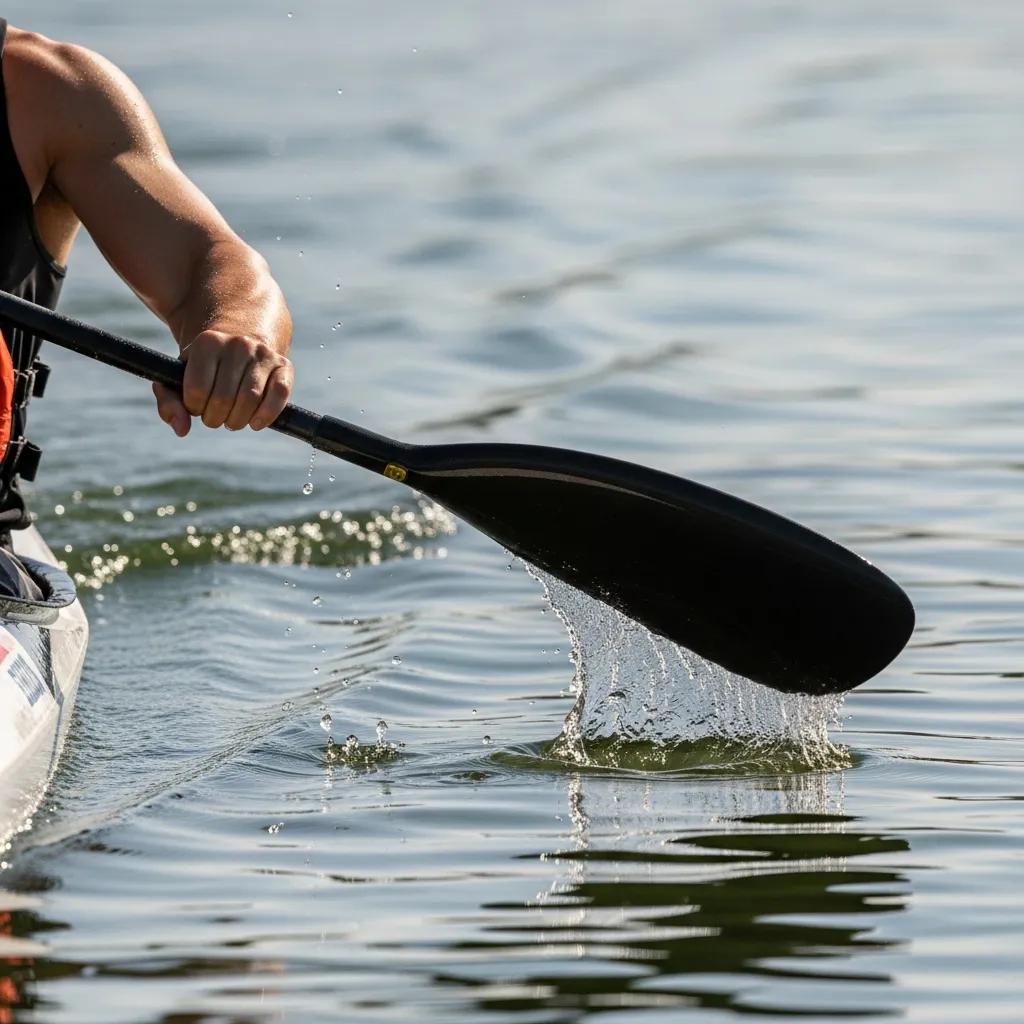
The forward stroke is the most fundamental technique in kayaking, providing the primary means of propulsion. Mastering this stroke is essential for efficient and powerful kayaking, allowing paddlers to cover distances with ease.
Research further emphasizes the importance of muscle activation and energy transfer in achieving an efficient forward stroke.
Kayak Forward Stroke Muscle Activation & Energy
to compare the muscle activation of the kayak forward stroke performed in a pool with an strength and energy into the first few strokes.
A comparative analysis of the kayak forward stroke, R Bacakova, 2019
What Are the Key Phases of the Forward Stroke?
The forward stroke consists of three key phases:
- Catch Phase: This is the initial entry of the paddle into the water. The paddle should be placed in front of the body, with the blade fully submerged.
- Power Phase: During this phase, the paddler pulls the paddle through the water using torso rotation and arm strength. This is where the majority of propulsion occurs.
- Release Phase: The paddle is lifted out of the water at the hip, preparing for the next stroke. A smooth release is crucial for maintaining speed and efficiency.
Understanding these phases allows paddlers to execute the forward stroke effectively, maximizing power and minimizing fatigue.
Which Common Mistakes Should Beginners Avoid When Performing the Forward Stroke?
Beginners often make several common mistakes when performing the forward stroke, which can hinder their efficiency. These include:
- Overreaching: Extending the paddle too far forward can lead to inefficient strokes and increased fatigue.
- Using Arms Instead of Torso: Relying solely on arm strength instead of engaging the core and torso can reduce power and increase fatigue.
- Incorrect Paddle Angle: Holding the paddle at the wrong angle can create drag and slow down the kayak.
By being aware of these mistakes and focusing on proper technique, beginners can improve their forward stroke and overall kayaking performance.
How Can the Sweep Stroke Improve Kayak Turning and Directional Control?
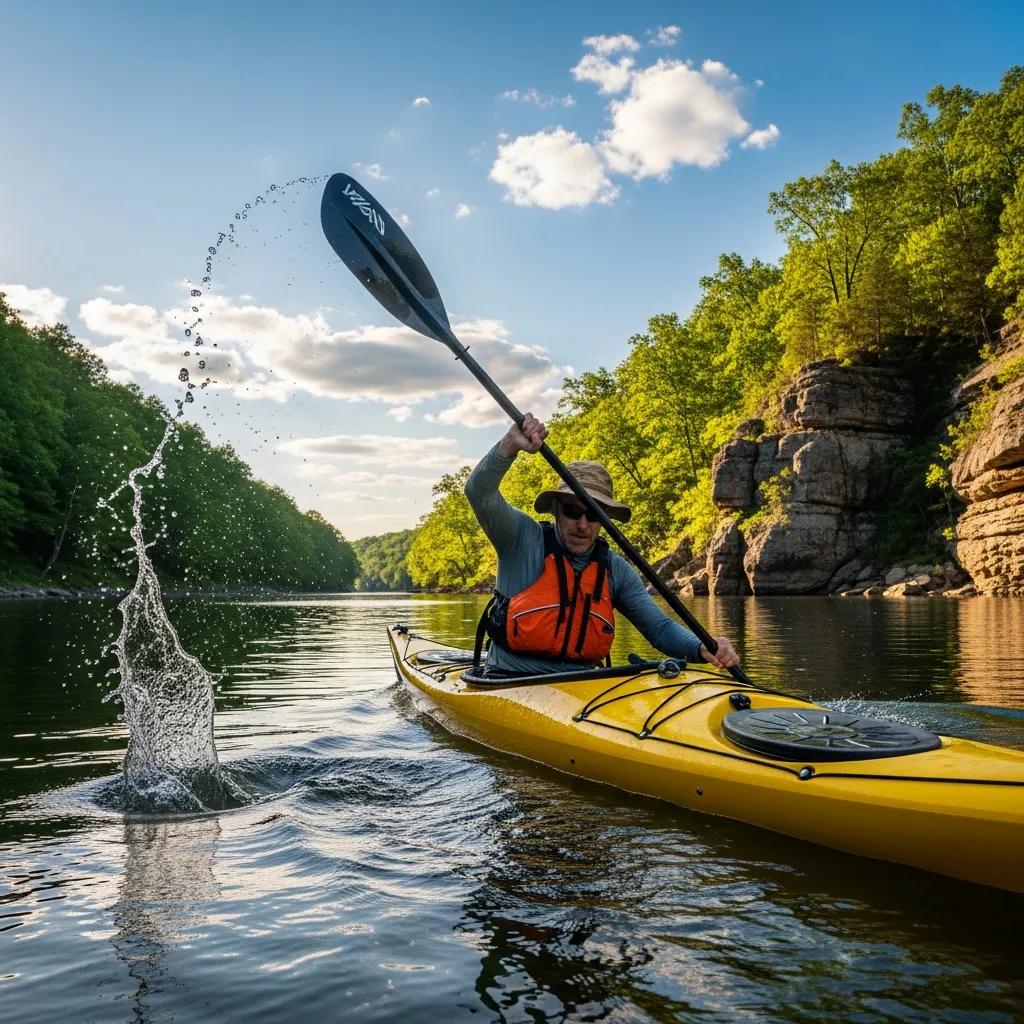
The sweep stroke is a critical technique for turning and controlling the direction of the kayak. It allows paddlers to execute smooth turns and navigate effectively in various water conditions.
What Is the Proper Technique for Executing the Sweep Stroke?
To perform the sweep stroke correctly, follow these steps:
- Position the Paddle: Start with the paddle parallel to the kayak, with one blade in the water and the other above the surface.
- Sweep the Paddle: Move the blade in a wide arc away from the kayak, using your torso to generate power. The stroke should be fluid and continuous.
- Finish the Stroke: As the paddle reaches the end of the arc, lift it out of the water and prepare for the next stroke.
This technique allows for effective turning and directional control, making it essential for navigating tight spaces and changing course.
When and Why Should You Use the Sweep Stroke During Kayaking?
The sweep stroke is particularly useful in several scenarios:
- Turning: When you need to change direction quickly, the sweep stroke provides a powerful and efficient means of turning the kayak.
- Navigating Obstacles: In areas with tight spaces or obstacles, the sweep stroke allows for precise maneuvering.
- Maintaining Speed: Using the sweep stroke can help maintain speed while turning, ensuring that you do not lose momentum.
Incorporating the sweep stroke into your paddling repertoire enhances your overall control and efficiency on the water.
What Is the Draw Stroke and How Does It Enable Precise Sideways Kayak Movement?
The draw stroke is essential for moving the kayak sideways, allowing for precise maneuvering in tight spaces. This technique is particularly useful in situations where forward movement is not possible.
How to Perform the Draw Stroke Step-by-Step?
To execute the draw stroke effectively, follow these steps:
- Position the Paddle: Place the paddle perpendicular to the kayak, with one blade in the water and the other above the surface.
- Pull the Paddle: Use your arms and torso to pull the paddle straight toward the kayak, creating a sideways movement.
- Adjust Your Body: Lean slightly towards the side of the stroke to enhance the effect and maintain balance.
This technique allows for controlled sideways movement, making it invaluable for navigating narrow passages or avoiding obstacles.
What Are Practical Applications of the Draw Stroke in Different Water Conditions?
The draw stroke can be applied in various water conditions, including:
- Tight Spaces: In narrow rivers or channels, the draw stroke allows for precise navigation without needing to turn the kayak.
- Avoiding Obstacles: When approaching rocks or other hazards, the draw stroke enables quick adjustments to avoid collisions.
- Docking: The draw stroke is useful when maneuvering into a dock or landing area, allowing for controlled entry.
Understanding the practical applications of the draw stroke enhances your overall kayaking skills and safety.
Which Kayak Bracing Techniques Enhance Stability and Prevent Capsizing?
Bracing techniques are crucial for maintaining stability and preventing capsizing while kayaking. These techniques allow paddlers to recover from tilting and maintain control in challenging conditions.
What Is the Difference Between Basic Bracing and Sculling Brace?
There are two primary bracing techniques:
- Basic Brace: This technique involves placing the paddle flat on the water's surface to counterbalance the kayak's tilt. It is effective for quick recovery from minor tilts.
- Sculling Brace: This advanced technique involves a continuous motion of the paddle, creating lift and stability. It is particularly useful in rough water conditions.
Both techniques are essential for enhancing stability and preventing capsizing, especially in challenging environments.
How Does Torso Rotation Contribute to Effective Bracing?
Torso rotation plays a significant role in effective bracing. By engaging the core and rotating the torso, paddlers can generate more power and control during bracing maneuvers. This engagement allows for quicker adjustments and a more stable position, reducing the risk of capsizing.
Studies have explored the critical role of trunk rotation and abdominal muscles in enhancing kayak performance and stability.
Trunk Rotation & Abdominal Muscles in Kayak Performance
Over the past two decades the importance of trunk contribution to sporting performance has been highlighted through the expanse of literature concerning core stability and strength. However, the role of trunk motion and the abdominal muscles are yet to be established during sprint kayak performance. The purpose of this study was to determine the associations among trunk rotation, kayak velocity, and abdominal muscle activity during on-water sprint kayaking.
Contribution of trunk rotation and abdominal muscles to sprint kayak performance, 2023
Practicing torso rotation in conjunction with bracing techniques enhances overall stability and control on the water.
How to Identify and Correct Common Kayak Paddling Mistakes for Safer, More Efficient Strokes?
Identifying and correcting common paddling mistakes is essential for improving efficiency and safety while kayaking. Many paddlers unknowingly develop habits that hinder their performance.
What Are the Most Frequent Errors in Paddle Grip and Stroke Execution?
Common errors in paddle grip and stroke execution include:
- Incorrect Grip: Holding the paddle too tightly or at the wrong angle can lead to fatigue and inefficient strokes.
- Poor Stroke Technique: Failing to engage the torso or using only arm strength can reduce power and increase fatigue.
- Inconsistent Paddle Placement: Not placing the paddle correctly in the water can create drag and slow down the kayak.
By recognizing these errors, paddlers can focus on improving their technique and overall performance.
Which Drills and Practice Tips Help Overcome These Mistakes?
To overcome common paddling mistakes, consider the following drills and practice tips:
- Grip Drills: Practice holding the paddle with the correct grip and angle to enhance control and efficiency.
- Stroke Technique Drills: Focus on engaging the torso during strokes to maximize power and reduce fatigue.
- Video Analysis: Record your paddling to identify areas for improvement and track progress over time.
Implementing these drills can significantly enhance your paddling technique and overall kayaking experience.
| Stroke Type | Description | Key Benefits |
|---|---|---|
| Forward Stroke | Primary stroke for propulsion | Efficient movement, speed |
| Sweep Stroke | Used for turning and direction | Smooth turns, control |
| Draw Stroke | Enables sideways movement | Precise navigation, maneuverability |
| Bracing Stroke | Maintains stability | Prevents capsizing, enhances control |
| Common Mistake | Impact | Correction |
|---|---|---|
| Incorrect Grip | Reduces control | Practice proper grip techniques |
| Poor Stroke Technique | Increases fatigue | Focus on torso engagement |
| Inconsistent Paddle Placement | Creates drag | Ensure correct paddle entry |
In conclusion, mastering essential kayak paddling strokes is vital for enhancing your efficiency and enjoyment on the water. By focusing on the fundamental techniques, proper grip and posture, and identifying common mistakes, paddlers can significantly improve their performance. Whether you are a beginner or an experienced kayaker, continuous practice and refinement of these skills will lead to a more enjoyable and safe kayaking experience.